Saunas have been used for centuries because they work — for the body, the mind, and overall well-being. Today, people choosing a home sauna usually land between two options: traditional and infrared. Both offer real benefits, but they deliver them in very different ways.
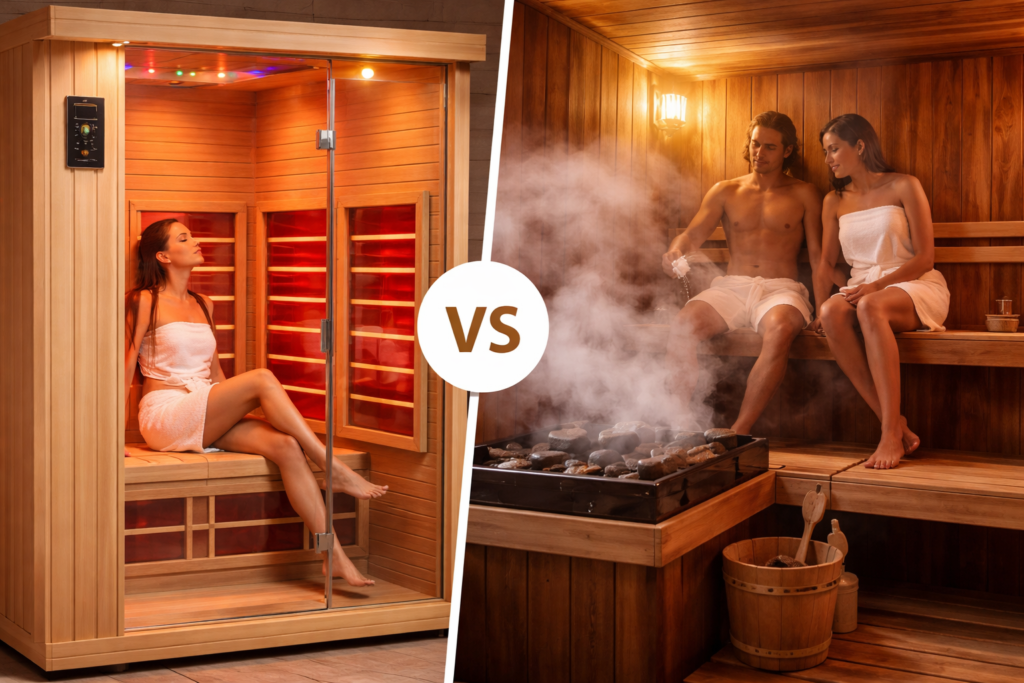
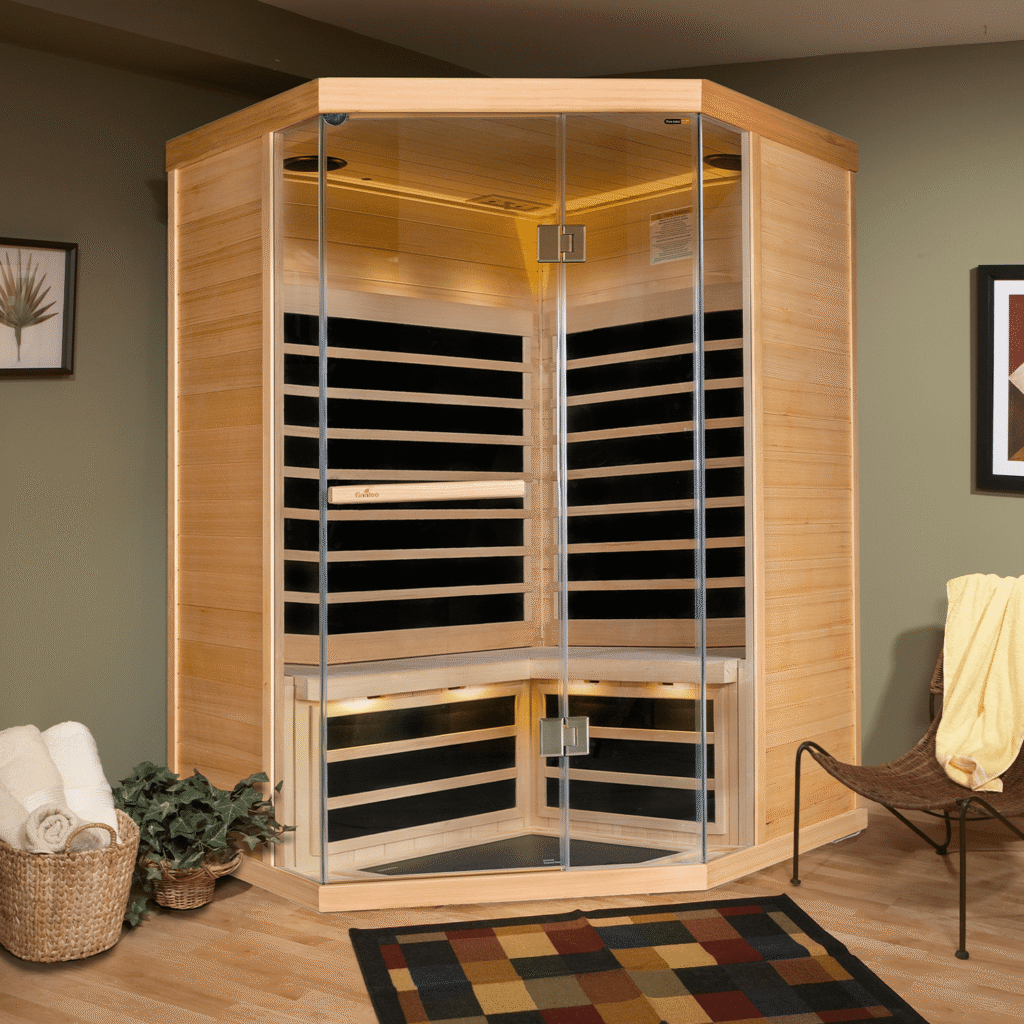
Infrared saunas, especially far infrared models, take a gentler, more modern approach. Instead of heating the air, they warm your body directly using radiant heat at lower temperatures. This makes sessions more comfortable for beginners and appealing to people focused on recovery, relaxation, and routine wellness. Infrared saunas are often used to unwind, relieve muscle and joint tension, support circulation, improve sleep, and promote sweating for detoxification. They’re usually compact, feature-rich, and designed for convenient indoor use.
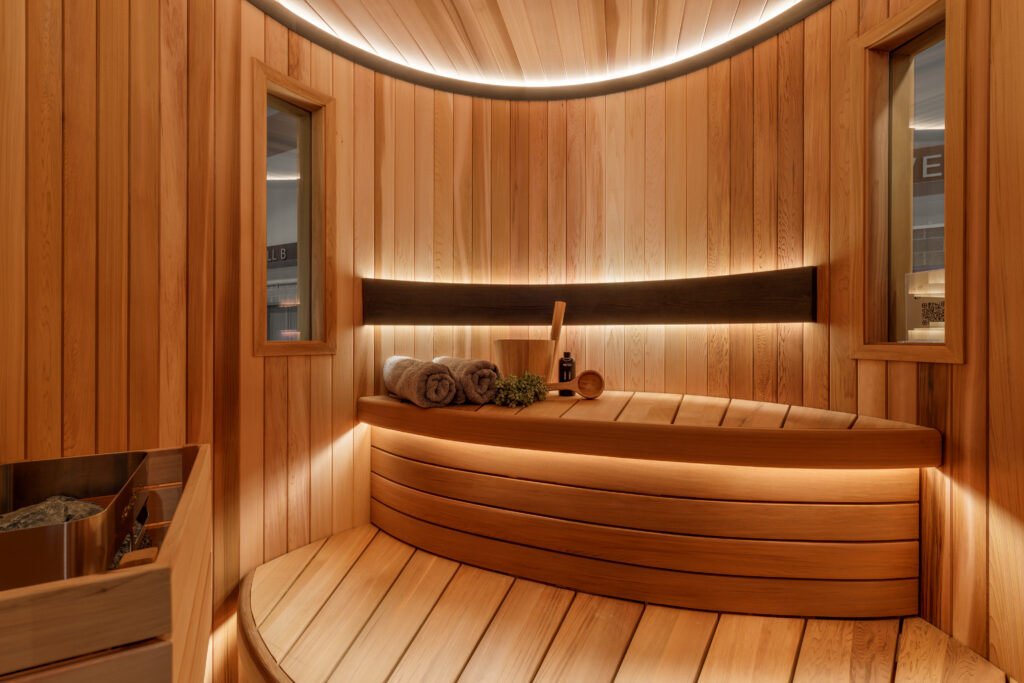
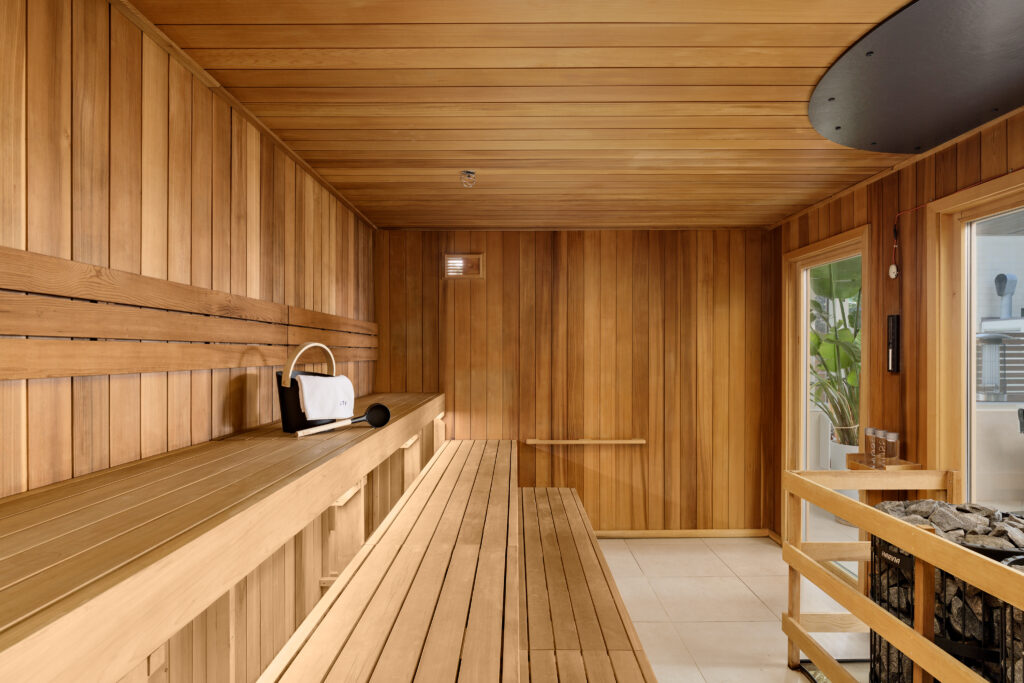
Traditional saunas heat the air using a stove and hot rocks, creating high temperatures and, if you want it, steam. This produces the classic sauna experience — intense heat, humidity, layered warmth, and the ability to control how hot it feels simply by changing where you sit. They’re built to last, work indoors or outdoors, and scale from solo sessions to social, multi-person use. For people who want a full, immersive ritual — heat, steam, flexibility, and durability — traditional saunas tend to feel more complete and timeless.
In short:
Traditional saunas excel at atmosphere, intensity, versatility, and longevity.
Infrared saunas shine in comfort, accessibility, and low-temperature therapeutic use.
The best choice comes down to what you value more: a deep-rooted sauna tradition with dynamic heat and steam, or a modern, lower-heat wellness tool that fits easily into everyday life.