HOME > RESOURCES > blog> February 2026

February Blog

Infrared Vs Traditional Saunas


Benefits of Infrared Saunas: 
(Picture to the left)

Faster Heating
Energy Costs are lower
Faster Heating
Tissue Repair / Muscle Recovery
Convenience & Tolerability to heat

Benefits of Traditional Saunas:
(Picture to the right)

Steam and High Temperatures
Traditional Sauna Experience
Stress Reduction & Mental Relaxation
Respiratory Benefits
Improved Skin Health
Detoxification

       Infrared Sauna Timeline  

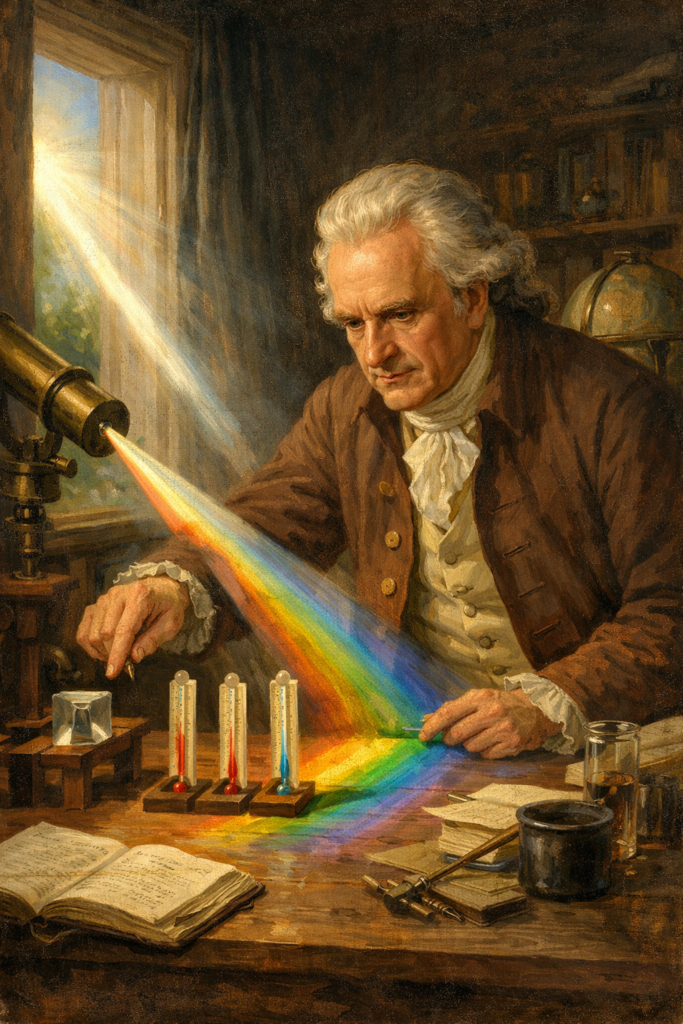
  • In 1800, astronomer William Herschel discovered Infrared Radiation while experimenting with sunlight and thermometers.
    (Picture below)

  • In the 1960s, Japanese physician Dr. Tadashi Ishikawa developed early therapeutic infrared heaters.

  • Modern infrared saunas became popular for home wellness in the late 1990s.

    Today: Infrared sauna technology is still relatively new and evolving, with ongoing developments in heating efficiency, health research, and home sauna design.


      Traditional Sauna Timeline

  • ~2000 BCE – Ancient Bathing Traditions: Early forms of sweat bathing existed in Finland, Siberia, and Native American cultures, using heated stones in enclosed spaces for cleansing and ritual purposes.

  • 1500s – Finnish Sauna Culture Solidifies: In Finland, the modern sauna design with wood-heated stoves became common; saunas were used for hygiene, childbirth, and social gatherings.

  • 1700s–1800s – European Spread: Saunas spread to Russia, the Baltics, and parts of Northern Europe; “banya” in Russia evolved as a cultural and social bathhouse.

  • Early 1900s – Industrial and Health Adoption: Saunas became recognized for therapeutic purposes in Europe; public saunas were built in cities to promote hygiene and relaxation.

  • Mid–Late 1900s – Global Popularity: Saunas were introduced worldwide, especially in the US and Japan, emphasizing health benefits, stress reduction, and leisure; Finnish sauna traditions influenced modern spa culture.